**Part 1**
“What the hell do you mean you were helping somebody?”
Gavin’s furious voice echoed through the agency, silencing even the interns working near the photocopier.
I stood in front of him with my laptop bag hanging from one shoulder. My tie was crooked, and I was still struggling to breathe normally after rushing inside from the parking lot.
Behind him, the conference room was deserted.
Our prospective clients had already departed.
The presentation I’d spent much of the previous night preparing remained on the large monitor, its polished slides looking painfully out of place in the suddenly empty room.
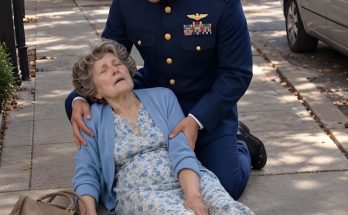
“I had an emergency,” I said, struggling to catch my breath. “A woman collapsed on the side of the road. She grabbed her chest and went down. I couldn’t just leave her there.”
Gavin stared at me as though my explanation made absolutely no sense.
His jaw tightened.
He approached slowly, lowering his voice in a way that somehow made his anger more intimidating.
“Was it your wife?”
“No.”
“Your mother?”
“No.”
He gave a bitter laugh and glanced toward the other employees, apparently wanting an audience.
“So let me understand this,” he said. “You skipped an eight-thirty presentation with our biggest potential account because some random woman on the roadside appeared to be sick.”
“She wasn’t just sick,” I said. “She collapsed in my arms.”
Gavin flung one hand upward.
“And because of that, we lost the account.”
My mouth became dry.
I glanced toward the conference room, almost expecting the prospective clients to reappear with their coffee cups, willing to hear why I’d been delayed.
Of course, they were gone.
Only the stale smell of coffee and printer toner remained, along with the wreckage of the largest opportunity our small agency had pursued in months.
“Gavin, I’m sorry,” I said. “I really am. But what was I supposed to do? Just drive past her?”
“Yes,” he snapped.
The entire office seemed to stop breathing.
For a moment, I wondered whether I’d misunderstood him.
But he stepped closer and made his position unmistakably clear.
“Yes, Christopher. You were supposed to keep driving. You had a responsibility here. You had a team counting on you. You had clients waiting. We are not a charity. We are a business.”
My ears rang.
I’d devoted nearly four years to that agency.
I’d answered work calls late at night, sacrificed weekends, skipped meals, repaired unsuccessful campaigns, soothed angry customers, and helped train new employees.
Whenever a project seemed impossible to rescue, I was often the person expected to find a solution.
I’d arrived before everyone else and stayed after closing so frequently that even the cleaning staff knew my daughters’ names.
Yet Gavin was telling me I should have abandoned a collapsed stranger because a business presentation mattered more.
“Gavin,” I said, hearing the tremble in my own voice. “I have given everything to this place.”
He showed no emotion.
“I don’t care,” he said. “Pack up your things. You’re done here.”
I couldn’t move.
My mind seemed incapable of accepting what he’d just announced.
Several coworkers avoided looking at me. Others watched with expressions bordering on sympathy.
An account manager stared determinedly at her keyboard, pretending to be absorbed in work.
Nobody intervened.
Gavin gestured toward the hallway.
“That’s the end of it.”
I wish I’d responded with an unforgettable speech about loyalty or human decency.
I wish I’d walked away looking composed and victorious.
Instead, humiliation overwhelmed me.
My face burned, my throat tightened, and tears gathered before I could control them.
I turned away so abruptly that my bag nearly slipped from my shoulder.
Behind me, a chair scraped against the floor.
Then came silence.
I left the office that had consumed so much of my life and stepped into the bright morning sunlight, feeling as though I’d been expelled from the future I’d worked so hard to build.
Inside my car, I locked the doors.
I gripped the steering wheel.
Then I screamed.
It wasn’t a sentence or even a recognizable word.
It was the sound of frustration, grief, and fear breaking through at once.
I had no idea that the stranger I’d helped earlier that morning would soon arrive at my workplace looking for me.
And I certainly didn’t know what her arrival would uncover.
For almost twenty minutes after being fired, I remained inside my parked car.
People crossed the parking lot carrying coffee, chatting on their phones, and rushing toward meetings that still mattered.
My own professional life had ended in less than five minutes.
There’d been no warning, no discussion of severance, and no acknowledgment of what I’d contributed over four years.
Only Gavin’s order to gather my possessions and leave.
I leaned back and closed my eyes.
Immediately, I remembered the woman on Route 18.
She’d been standing beside a dark sedan, gripping the open driver’s door with one hand while pressing the other against her chest.
Initially, I assumed she was searching for something inside the vehicle.
Then her knees buckled.
I was three cars behind her.
An SUV ahead of me slowed briefly, then continued.
A van did the same.
For one terrible moment, I almost followed them.
My foot remained on the accelerator.
I thought about the presentation scheduled for 8:30.
It was our most important potential account of the year, and Gavin had repeatedly warned everyone against arriving late.
Then I checked my rearview mirror.
The woman had disappeared from view.
I pulled over.
That decision had cost me my livelihood.
But even afterward, I couldn’t imagine deliberately leaving her alone on the roadside.
My phone vibrated on the passenger seat.
I expected another call from Gavin.
Instead, it was my former wife, Sarah.
I almost ignored it, then remembered she was collecting our daughters after school.
“Hey.”
“Chris?”
She immediately noticed something wrong with my voice.
“What happened?”
“Nothing.”
“You sound terrible.”
“Long morning.”
“Are you sick?”
“No.”
After a pause, she asked more carefully.
“Did something happen at work?”
I looked toward the agency building.
For an instant, I wondered whether someone had already told her.
“Who told you?”
“Nobody.”
“Sarah.”
“You only use that voice when something’s wrong.”
I rubbed my forehead.
“I got fired.”
Silence followed.
“What?”
“This morning.”
“Why?”
I nearly laughed at how absurd the explanation sounded.
“Because I stopped to help somebody on the way in.”
“What does that mean?”
“There was a woman on the roadside. She collapsed. I stayed until the ambulance came.”
“And Gavin fired you for that?”
“He said I missed the Whitcombe presentation.”
Sarah remained quiet for several seconds.
Then she spoke gently.
“Chris, I’m sorry.”
Her sympathy hurt more than I’d anticipated.
We’d spent years learning how to communicate without reopening the painful parts of our marriage.
Yet occasionally, her voice still reminded me of the woman I’d once expected to grow old beside.
I swallowed.
“I’ll figure it out.”
“Tuition is due next week.”
“I know.”
“I’m not bringing that up to pressure you.”
“I know.”
“And the mortgage?”
“I said I’ll figure it out.”
My response came out harsher than intended.
Sarah fell silent.
Regret immediately followed.
“Sorry.”
“It’s okay.”
“No, it isn’t.”
After another pause, she said something that almost broke me.
“You always figure it out, Chris.”
I desperately wanted that to remain true.
Once the call ended, I sat in the car until I could no longer tolerate the weight of my thoughts.
Then I started driving.
I had no particular destination.
Moving through traffic simply felt easier than remaining outside the office where I’d just been humiliated.
Eventually, I pulled up near a diner Sarah and I used to visit during our marriage.
It hadn’t changed much.
Its red booths were cracked, the coffee was terrible, and Marlene, the longtime waitress, still seemed capable of remembering everyone’s regular order.
I took a seat beside the window.
Marlene approached with the coffee pot.
“You look like somebody stole your dog.”
“Worse.”
“Wife?”
“Already lost one of those.”
She studied my expression.
“Job.”
I nodded.
She stopped pouring.
“Oh.”
“Today?”
“About an hour ago.”
“What happened?”
I told her enough to explain the situation, although I left out some of the humiliating details.
When I finished, she looked astonished.
“He fired you because you helped somebody?”
“Pretty much.”
Marlene shook her head.
“Then maybe getting fired was the first good thing that happened to you today.”
I stared at her.
“That’s a strange definition of good.”
“Sometimes people do you a favor by showing you exactly who they are.”
She walked away, leaving me to consider her words.
Perhaps she was right about Gavin.
Unfortunately, understanding someone’s character didn’t solve my financial problems.
I opened my phone and searched available positions.
Marketing director.
Account strategist.
Brand manager.
Senior creative lead.
Every listing looked simultaneously achievable and beyond my reach.
I had strong experience, good results, and established client relationships.
But I was also thirty-eight, divorced, and responsible for supporting two daughters.
There was the mortgage, car payment, insurance, school tuition, and ordinary household expenses.
I couldn’t afford months of uncertainty while searching for the perfect opportunity.
I needed income.
Quickly.
I began updating my résumé from the diner booth.
Half an hour passed.
Then my phone rang.
The agency’s number appeared.
I ignored it.
The second call went unanswered too.
Then a message arrived.
CHRIS, PLEASE ANSWER.
It was Nina, our receptionist.
I called her back.
“What?”
“Where are you?”
“Why?”
“You need to come back.”
“No.”
“I’m serious.”
“So was Gavin.”
“Chris, listen to me.”
Something about her lowered voice made me uneasy.
“What happened?”
“There’s a woman here.”
“What woman?”
“She says you helped her this morning.”
I sat straighter.
The sounds of the diner seemed to disappear.
“She’s okay?”
“Yes.”
I released a breath I hadn’t realized I was holding.
“Good.”
“But she keeps asking for you.”
“Tell her I’m glad she’s okay.”
“Christopher.”
“What?”
“She didn’t come alone.”
I frowned.
“What does that mean?”
“There are three people with her.”
“Family?”
“I don’t think so.”
“Then who?”
“One is an attorney.”
My stomach tightened.
“Why does she have an attorney?”
“I don’t know.”
“And the other two?”
“I heard one of them say Halston Capital.”
The name stirred a memory.
Then I recognized it.
Halston Capital was a major private-investment organization involved in acquisitions, property, logistics, and technology.
It was the kind of firm that bought entire businesses and appeared regularly in financial publications.
“What does Halston Capital have to do with her?”
“I don’t know.”
I stood.
“Where’s Gavin?”
“In Conference One.”
“With her?”
“Yes.”
“How long?”
“Almost ten minutes.”
Nina lowered her voice even further.
“And Chris?”
“What?”
“I have never seen Gavin this scared.”
Twenty-five minutes later, I returned to the agency parking lot.
I told myself I wasn’t going back to plead for reinstatement.
I only wanted my personal belongings.
The pictures of my daughters.
My notebook.
The headphones Lucy had bought me for Father’s Day.
The painted mug Sophie had made when she was six.
Then I would leave for good.
But when I entered reception, every employee seemed to turn toward me.
People who had deliberately avoided my gaze earlier now watched openly.
Nina rose from her desk.
“She’s in there.”
Through the conference-room glass, I saw the woman from Route 18.
Her silver hair had been carefully brushed, the hospital blanket was gone, and she stood upright beside the table.
She looked nothing like the frightened patient I’d helped on the roadside.
Two suited men and a woman carrying a leather folder stood nearby.
Gavin faced them.
His skin looked unusually pale.
Then the woman noticed me.
Her expression changed immediately.
She walked through the conference-room door and approached me.
“Christopher?”
“Yes.”
She took both my hands.
“You came back.”
“I heard you were asking for me.”
Her eyes filled with emotion.
“I didn’t know your last name.”
“Bennett.”
“Christopher Bennett.”
She repeated it slowly.
“How are you feeling?” I asked.
“Better.”
“Good.”
“I owe you my life.”
I shook my head.
“No.”
“You stopped.”
“So would most people.”
She glanced around the office.
“No, they wouldn’t.”
I knew what she meant.
Several vehicles had passed her before mine.
“You stayed until the ambulance arrived.”
“Anyone should.”
“You kept me conscious.”
“I just talked.”
“You told me about your daughters.”
I smiled faintly.
“You kept asking questions.”
“Because I was afraid that if I stopped talking…”
She couldn’t finish.
I remembered kneeling on the wet gravel while she struggled to breathe.
I’d called emergency services, loosened her scarf, and followed the dispatcher’s instructions.
At one point, she’d gripped my wrist.
“Don’t let me close my eyes.”
So I kept talking.
I told her stories about Sophie and Lucy, discussed baseball even though I barely followed it, and complained about parking near my office.
Anything that encouraged her to respond.
Finally, she asked what had happened after the ambulance left.
I glanced toward Gavin.
He seemed desperate for me to say nothing.
“Nothing.”
The woman studied me.
“Christopher.”
“It’s fine.”
“No, it isn’t.”
Gavin quickly approached.
“Mrs. Halston, I think perhaps this is better discussed privately.”
Mrs. Halston.
I looked at the woman again.
Then at the logo on the leather folder.
HALSTON CAPITAL.
The realization struck.
“You’re Eleanor Halston?”
She smiled.
“You know the name.”
Of course I did.
Eleanor Halston had established Halston Industrial with her husband nearly forty years earlier.
After his death, she’d expanded the business into an investment empire controlling stakes in companies worth billions.
I’d seen her photographs in magazines and read about her appearances at universities.
I’d simply failed to recognize her while she lay struggling beside Route 18.
“I didn’t recognize you.”
“Good.”
I blinked.
“Good?”
“That means what you did wasn’t influenced by who I am.”
Then she turned toward Gavin.
“Now tell me why he is carrying a box.”
Only then did I notice Nina had placed an empty cardboard carton near my desk.
Gavin cleared his throat.
“Mrs. Halston, as I explained, there was a business incident this morning.”
“What incident?”
“Christopher missed a critical presentation.”
“Because he was helping me.”
“Yes, but…”
“But?”
Gavin’s expression tightened.
“We lost a major account.”
Eleanor looked at me, then back toward him.
“And?”
Gavin hesitated.
“And?”
Finally, he admitted it.
“I terminated his employment.”
Eleanor stared.
“You fired him.”
“It was a management decision.”
“For stopping when I collapsed.”
“For abandoning a professional responsibility.”
Her expression hardened.
“Abandoning.”
Gavin tried to defend himself.
“Mrs. Halston, I understand how emotional this may feel from your perspective, but companies cannot function if employees decide personal impulses are more important than client obligations.”
Her eyes became cold.
“Personal impulse?”
“That isn’t what I meant.”
“You just called preventing someone from dying a personal impulse.”
Gavin swallowed.
“I’m speaking in operational terms.”
“Then let’s speak operationally.”
One of her attorneys opened a folder.
Gavin appeared confused.
Eleanor turned toward him.
“You have been negotiating with Halston Capital for six months.”
I stared at my boss.
Nobody in the agency had known anything about those negotiations.
“My company has been conducting due diligence on Mercer & Field for a potential acquisition.”
Whispers spread through the office.
“The preliminary valuation was eighteen million dollars.”
Eighteen million.
Gavin stepped forward.
“Mrs. Halston, that process is confidential.”
“It was.”
The past tense caught everyone’s attention.
“What do you mean?”
Eleanor nodded toward her attorney.
He closed the folder.
“Halston Capital is terminating acquisition negotiations effective immediately.”
Gavin’s face went blank.
“You can’t be serious.”
“I am.”
“Because of this?”
“No.”
She looked directly at him.
“Because I do not invest in companies led by people who cannot distinguish between urgency and humanity.”
Gavin protested.
“This is an overreaction.”
“Is it?”
“Yes.”
“Then tell me something.”
She indicated where I stood.
“How long has Christopher worked here?”
“Almost four years.”
“How much revenue has he helped generate?”
Gavin gave no answer.
One of Eleanor’s associates consulted his tablet.
“Based on due-diligence records, campaigns led or materially developed by Christopher Bennett account for approximately thirty-one percent of client revenue retained over the previous thirty-six months.”
I stared at him.
I hadn’t known that statistic myself.
Eleanor continued questioning Gavin about my weekends, unpaid overtime, and client-retention results.
He couldn’t provide meaningful answers.
Then she turned toward me.
“What did he tell you when you explained why you were late?”
I glanced at Gavin.
For a fleeting moment, I considered protecting him.
I’d spent four years quietly correcting mistakes and shielding management from the consequences of poor decisions.
But I remembered his exact words.
“He asked whether you were my wife.”
“Then?”
“He asked whether you were my mother.”
“And when you said no?”
I swallowed.
“He said I should have kept driving.”
Eleanor’s expression changed.
Disappointment replaced her earlier anger.
“You told him to keep driving.”
“I was frustrated.”
“You told a man he should have driven past someone in medical distress because you had a presentation.”
“It sounds terrible when phrased like that.”
Eleanor’s response was quiet.
“That is because it was terrible.”
Gavin continued pleading for the acquisition to proceed.
He insisted too much time and effort had already been invested.
Eleanor listened.
Then she said:
“One sentence did not destroy anything.”
She looked around the office.
“Your priorities did.”
For the first time, I saw Gavin genuinely panic.
He addressed her more familiarly.
“Eleanor.”
She raised a hand.
“Do not use my first name.”
He immediately stopped.
Eleanor returned her attention to me.
“Christopher, I came here because I wanted to thank you personally.”
“You didn’t need to.”
“I did.”
She reached into her handbag.
I briefly expected her to offer money, something I already knew I wouldn’t accept.
Instead, she handed me a business card.
“Come see me Monday.”
I examined it.
Halston Capital.
Executive Office.
“I don’t understand.”
“I want to talk.”
“About what?”
“Work.”
I nearly laughed.
“Mrs. Halston, I’m in advertising.”
“So?”
“You invest in companies.”
“We also employ people.”
“I don’t know finance.”
“You know judgment.”
“That’s generous.”
“No.”
She regarded me seriously.
“It is specific.”
I looked down at the card again.
“I stopped because you needed help.”
“I know.”
“That doesn’t qualify me for anything.”
“Correct.”
I raised my eyes.
She smiled slightly.
“But your professional record might.”
Gavin suddenly spoke.
“Christopher is a very valuable employee.”
I looked at him in disbelief.
He’d dismissed me only hours earlier.
Eleanor seemed amused.
“Really?”
“Yes.”
“So valuable that you terminated him immediately.”
“That was emotional.”
Eleanor laughed.
“Interesting.”
Gavin approached me.
“Chris, maybe we should speak privately.”
“No.”
Everyone looked toward me.
I was surprised by how effortlessly I’d answered.
“What?”
“I said no.”
“Christopher.”
“You made your decision.”
“I can reverse it.”
“I don’t want you to.”
A profound silence followed.
That simple sentence meant more to me than the canceled acquisition or Eleanor’s invitation.
For four years, I’d pursued Gavin’s approval.
I’d wanted recognition, promotion, a better office, and proof that my work mattered.
Suddenly, I no longer wanted any of it.
Gavin looked stunned.
“You’re throwing away four years.”
I picked up the cardboard box.
“No.”
I looked directly at him.
“You did.”
Then I returned to my desk.
I packed my daughters’ photographs, my notebook, headphones, and painted coffee mug.
I also found the little plastic astronaut Lucy had hidden in a drawer two years earlier because she thought offices were “boring without space people.”
Several coworkers came over quietly.
Some embraced me.
Others apologized for remaining silent when Gavin fired me.
One whispered, “You deserved better.”
Nina began crying.
I nearly joined her.
When I’d finished packing, Eleanor was still waiting.
“You don’t have to stay,” I told her.
“I know.”
“Then why are you?”
“Because I want to see how a man carries himself after losing something he thought mattered.”
“That sounds like an experiment.”
“Most interviews are.”
I smiled.
Then one of her attorneys hurried from the conference room.
His expression had changed.
“Mrs. Halston.”
She turned.
“What is it?”
“We have a problem.”
“What kind?”
He glanced at Gavin, then at me.
“Confidential Halston acquisition documents were accessed last night.”
Eleanor’s face hardened.
“From where?”
The attorney hesitated.
“This office.”
Everyone stopped talking.
The files had been traced to an internal computer.
When the attorney showed us the device identification, I recognized my own name.
CHRISTOPHER BENNETT.
My entire body went cold.
“That’s impossible.”
Gavin looked frightened rather than surprised.
I turned toward him.
“Gavin?”
He glanced between my cardboard box and laptop.
Then he whispered:
“Chris… Don’t open your computer.”
I stared at him.
“Why?”
His face had lost its color.
At that moment, I realized Gavin already knew something about what was on my computer.
And the situation was about to become far more dangerous than a lost job.
My laptop remained on my desk, connected to its charger.
Beside it was a framed photograph of Sophie and Lucy at the beach the previous summer, both laughing while holding ice creams that were melting in their hands.
Looking at their faces made the danger suddenly feel personal.
An hour earlier, my greatest worry had been losing my paycheck.
Now lawyers were discussing stolen corporate documents, and someone had apparently used my name.
Daniel, one of Eleanor’s senior associates, stood beside me while a Halston cybersecurity expert joined remotely.
“Don’t touch the keyboard yet,” he instructed.
“I haven’t.”
“Has anyone else used this device?”
“It’s company equipment. IT has administrator access.”
Gavin approached, speaking too quickly.
“This is ridiculous. Christopher has nothing to do with confidential documents.”
Eleanor watched from near the glass wall.
“I certainly hope not.”
The specialist asked me to open the computer.
I lifted the lid.
My usual desktop appeared.
Then Daniel pointed toward an unfamiliar folder.
Its name was displayed prominently:
HALSTON_DUE_DILIGENCE_FINAL
My stomach tightened.
“I have never seen that.”
Gavin watched me.
“Chris…”
“I have never seen that folder.”
Daniel remained controlled.
“Don’t open it.”
The specialist began checking activity logs through the remote connection.
Several tense minutes passed.
Finally, he reported his findings.
“The files were copied onto this machine yesterday at 11:42 p.m.”
I frowned.
“I was here yesterday.”
Gavin turned toward me.
“You stayed until midnight.”
“Yes, working on the Whitcombe deck.”
Daniel asked whether anyone else had been present.
I searched my memory.
The cleaners had finished around ten.
Nina had left at six, and most of the creative department had gone home before eight.
But there had been another person.
I looked toward Gavin.
“You were.”
His expression shifted.
“I left at eleven.”
“No.”
I could remember the encounter clearly now.
“You came into my office after eleven-thirty.”
Gavin shook his head.
“No, Chris.”
“You asked if I was almost finished.”
“You’re mistaken.”
I stared at him.
“You were wearing your gray coat. You said your wife was angry because you missed dinner again.”
His jaw tightened.
Daniel asked the cybersecurity specialist to identify the credentials responsible for the transfer.
After a pause, the answer came.
“The transfer was initiated under Christopher Bennett’s profile.”
My chest constricted.
Gavin released a sharp breath.
“There. That answers it.”
I turned toward him.
“You think I did this?”
“I don’t know what to think.”
“You just said I had nothing to do with it.”
“That was before—”
“Before you discovered someone used my login?”
Eleanor raised her hand.
“Enough.”
Everyone became silent.
Daniel crouched beside my desk.
“Christopher, do you lock your computer when you step away?”
“Usually.”
“Usually?”
“I went downstairs for coffee around eleven-forty.”
“How long?”
“Five minutes.”
The cybersecurity specialist interrupted.
“That fits the transfer window.”
Gavin crossed his arms.
“Well, there you go.”
Something about his reaction troubled me.
He wasn’t confused.
He seemed almost satisfied.
I looked directly at him.
“You knew I left for coffee.”
His expression stiffened.
“What?”
“You complained about it.”
“I complain about everything.”
“You said, ‘If you’re going downstairs, bring me one.’”
Gavin gave an uneasy laugh.
“This is absurd.”
Then Daniel noticed another detail in the technical report.
“Wait.”
The specialist explained that the documents had been transferred using an external storage device.
“A flash drive?” Daniel asked.
“Yes.”
“Can we identify it?”
“Serial number, yes.”
Gavin moved backward slightly.
The movement was so small that someone else might have overlooked it.
But I noticed.
So did Eleanor.
Daniel turned toward him.
“Mr. Mercer.”
Gavin stopped.
“Do you own any external drives?”
“So does everyone in this building.”
Daniel nodded.
“Certainly.”
Then he addressed the IT manager.
“Could you check Mr. Mercer’s office?”
Gavin’s voice rose.
“You cannot search my office.”
Eleanor looked at him.
“Halston still has active due-diligence authority under the acquisition agreement you signed.”
“That doesn’t give you the right—”
Before he could finish, the office door opened.
The IT manager emerged carrying a small black flash drive.
Gavin’s expression changed immediately.
“I’ve never seen that.”
The IT manager looked uncomfortable.
“It was plugged into your desktop.”
“That isn’t mine.”
Daniel accepted the drive carefully.
“Perhaps not.”
Within twenty minutes, the device’s serial number matched the one recorded during the transfer.
The storage device used to place Halston’s confidential documents on my laptop had been found connected to Gavin’s computer.
Gavin erupted.
He accused everyone of setting him up.
First he blamed me.
Then Halston.
Then the IT department.
Eventually, he even suggested the janitor might be responsible.
By then, his accusations had lost all credibility.
Eleanor asked everyone except Gavin, Daniel, and me to leave.
She closed the door and faced him.
“Why?”
Gavin sank into a chair.
“I didn’t steal anything.”
Daniel placed the flash drive on the desk.
“Then explain that.”
Gavin covered his face.
For several seconds, nobody moved.
Finally, he whispered:
“Field.”
I frowned.
“What?”
“My partner.”
The agency’s official name was Mercer & Field.
Yet I’d never met anyone named Field.
Most employees hadn’t.
According to office gossip, Gavin’s former partner, Richard Field, had retired years earlier while retaining a small ownership interest.
Gavin looked toward Eleanor.
“Richard wanted information about your acquisition offer.”
“Why?”
“Because he thought the valuation was too low.”
“So you gave him confidential documents?”
“I gave him access.”
Daniel’s expression hardened.
“That is corporate espionage.”
Gavin slammed his hand against the desk.
“I was trying to protect my company!”
A voice interrupted from the doorway.
“Our company.”
Everyone turned.
A tall man in his early sixties stood there, wearing a camel-colored coat.
His hair was silver, and his expression was severe.
I’d never seen him.
Gavin clearly recognized him.
“Richard.”
Richard Field walked inside, regarding Gavin with open disgust.
“You were trying to protect yourself.”
Gavin rose.
“What are you doing here?”
“Cleaning up your mess.”
Richard explained that Halston’s legal team had contacted him.
Then he looked at me.
“You must be Christopher.”
“Yes.”
He offered a grim smile.
“I’ve heard your name for years.”
“Hopefully not all bad.”
“Mostly from clients saying Gavin took credit for your ideas.”
Gavin snapped:
“That’s enough.”
Richard ignored him.
The next revelation stunned me.
He still owned forty-nine percent of Mercer & Field.
He hadn’t simply retired and disappeared.
He’d withdrawn from daily operations after years of disagreements with Gavin about the treatment of employees.
Their shareholder agreement contained a misconduct provision.
Gavin’s unauthorized disclosure of confidential acquisition materials triggered that clause.
Richard now possessed the authority to remove him from control.
Gavin realized what that meant.
“No.”
Richard faced him.
“Yes.”
“You can’t.”
“I can.”
“This is my company.”
Richard’s voice remained steady.
“It stopped being your company when you decided the people building it were disposable.”
Gavin turned toward me.
“Chris, tell him.”
I almost laughed.
“Tell him what?”
“That I gave you opportunities. That I promoted you.”
“You fired me this morning.”
“That was a mistake.”
“No.”
I shook my head.
“It was a revelation.”
Richard placed a document in front of Gavin.
“Effective immediately, Gavin Mercer is suspended from all executive responsibilities pending investigation.”
Gavin read it.
Then read it again.
His face drained of color.
Less than six hours after dismissing me for helping a stranger, he’d lost control of the business he’d treated as his personal kingdom.
I expected to feel satisfied.
Instead, Daniel’s phone rang.
He answered, listened, and suddenly looked concerned.
“Yes.”
He paused.
“When?”
Another silence.
“Are you certain?”
He ended the call.
Eleanor looked at him.
“What now?”
Daniel glanced toward me.
“The driver who called emergency services before Christopher arrived has been located.”
I frowned.
“I was the one who called.”
Daniel shook his head.
“Someone called ninety seconds before you.”
Eleanor’s expression tightened.
“But nobody was there.”
“That’s the problem.”
He raised his phone.
“The caller reported Mrs. Halston’s location before she collapsed.”
A chilling silence settled over us.
“What does that mean?” I asked.
Daniel’s answer was careful.
“It means someone knew exactly where she would be.”
Then he added:
“And her collapse may not have been an accident.”