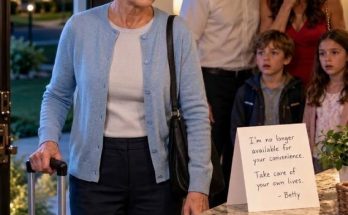
“Mom… when are you leaving our house?” he asked—right after I won 1.5 billion pesos. I didn’t answer… yet.
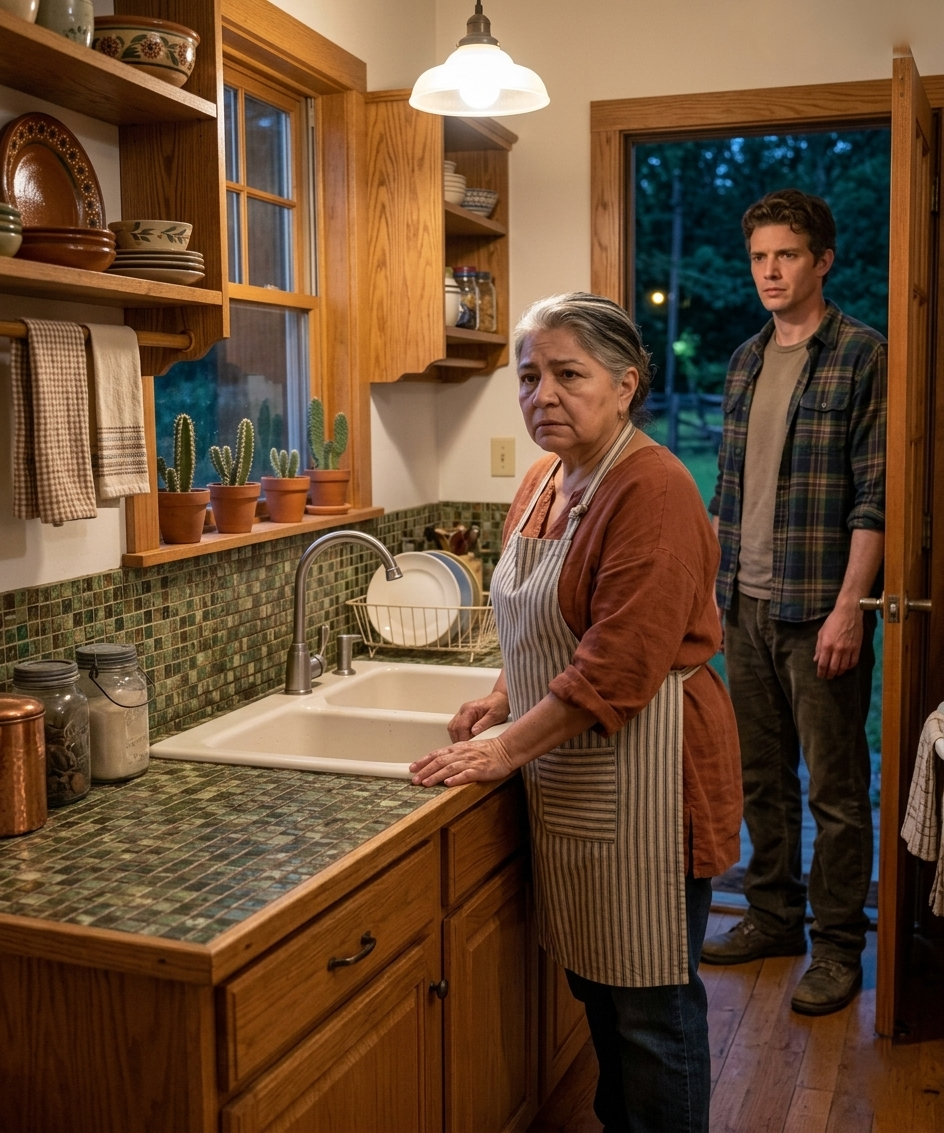
“Mom… when are you planning to move out of our house?” my son asked coldly—without knowing I had just won 1.5 billion pesos in the lottery.
My name is María Hernández. I’m sixty-eight years old, and for the past four years I’ve been living with my son Diego and his wife, Sofía, on the outskirts of Guadalajara.
After my husband passed away, I sold the small apartment where we had spent so many years together to help Diego pay off a debt he never fully explained. He promised it would only be temporary—a few months until he got back on his feet.
But months turned into years.
And little by little, I stopped feeling like a mother in that house… and started feeling like a quiet burden.
I cooked, cleaned, took my granddaughter Valeria to school, and even paid for small expenses with what remained of my pension.
I never complained.
I told myself that family meant sacrifice, that love sometimes meant swallowing your pride.
What they didn’t know was that, two weeks earlier, I had bought a lottery ticket out of habit…
—and won.
An unimaginable amount: one billion five hundred million pesos.
At first, I thought I was mistaken. I checked the ticket again and again, then verified it with another agency, and finally with a lawyer.
It was real.
Suddenly, I—the woman treated like an inconvenience—had the power to disappear or to transform anyone’s life.
But I told no one.
I needed to see clearly—who truly loved me, and who only tolerated me.
The answer came one Sunday night.
I was washing dishes in the kitchen while Diego and Sofía talked softly about a luxury house they had visited—pool, garden, office, spacious rooms. They thought I couldn’t hear.
Then Diego walked in, opened the fridge, glanced at me as if I didn’t belong there… and said, coldly:
“Mom, when are you finally going to move out?”
I didn’t argue.
I didn’t cry.
I simply dried my hands, went to my room, closed the small suitcase I always kept half-packed… and left.
While Sofía pretended nothing was happening and my granddaughter slept, I walked out with a broken heart.
I called a taxi.
And before leaving, I looked at the house one last time.
That was the moment I made a decision that would change everything.
I spent the night in a small hotel near downtown Guadalajara, barely sleeping.
The next morning, I met with my lawyer, Rodrigo Salazar—the only one who knew the truth.
On his desk were documents about my winnings… and a real estate report.
Among the listings was the exact house Diego and Sofía dreamed of buying.
They couldn’t afford it.
But I could.
“I don’t want to ruin them,” I told Rodrigo. “I just want to know if they ever saw me as family.”
By midday, I had already made a full cash offer.
It was accepted before noon.
I bought the house—legally, carefully, through a company in my name.
And I also bought myself something else: a small apartment by the sea in Puerto Vallarta.
Meanwhile, Diego began calling nonstop. Messages followed—questions, excuses, attempts to fix things.
I didn’t answer.
That evening, they discovered the house had been sold… to someone with my last name.
Then the panic started.
Calls. Messages. Desperation.
I remained silent.
Because the truth needed to arrive in person.
The next morning, I stood in front of that house with my lawyer.
Diego and Sofía were already there—confused, exhausted, searching for answers.
“Mom… what’s going on?”
I looked at the house.
Then I spoke.
“I bought it,” I said calmly. “And no, it’s not for you.”
Silence fell instantly.
For years, I had believed I was family. But the night before, they had shown me the truth—I was just a burden.
They tried to explain. I stopped them.
Then I revealed my decision:
The house would belong to my granddaughter, placed in a trust she couldn’t access until adulthood.
No one could sell it. No one could control it.
“I’m not punishing you,” I said. “I’m protecting something you failed to value—respect.”
Diego stood there, stunned.
“And what about us?”
“You’re still my son,” I answered. “But being my son doesn’t give you the right to treat me without dignity.”
Everything was finalized.
I bent down, gently touched Valeria’s hair, and whispered:
“A home isn’t just walls—it’s what you protect when you refuse to accept disrespect.”
Then I walked away.
For the first time in years…
I felt light.
Because sometimes, it’s not about money.
It’s about the moment a woman stops asking for permission…
—and chooses to respect herself.