**Part 3**
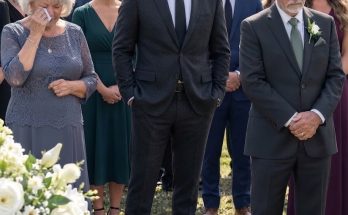
The wedding happened on a Saturday two weeks later, smaller than originally planned because there was not time to reassemble the full original guest list and because Samantha said, when we talked about it, that she found she wanted something quieter than she had originally planned.
Sixty people instead of two hundred. The same rose garden. A shorter rental setup. Wine from the vineyard, which Ben and I selected from the August vintage that had been aging in the cellar.
I wore a dress the color of the grapevines in early autumn, deep green with a warmth underneath it, and I did not wear my work boots.
I stood beside my daughter when she walked to the rose garden. I was in the photographs, my hand in hers, the vineyard behind us in the late afternoon light.
Greg’s mother was there, Margaret Hollister, in a hat that was too formal for the setting and that she wore anyway with complete confidence, and she shook my hand before the ceremony and said the property was extraordinary. I thanked her and meant it and we did not say more than that, which was the right amount.
Ben and the crew had strung lights along the south fence and the tables were set beneath them in the warm evening and someone, I found out later it was Greg, had arranged for a small band rather than the original quartet because he had found out that Samantha preferred dancing to chamber music, which is something he would not have known a month earlier and had taken the trouble to find out.
I sat at the family table and drank wine made from grapes grown in the soil my husband and I had spent our lives tending, and I watched my daughter dance with her husband in the vineyard light, and I felt the things you feel at the end of difficult chapters when you have arrived somewhere true.
Not uncomplicated. Not fully resolved. But true.
After the guests left and the lights were still on and the crew was beginning the quiet work of clearing up, I walked down to the far end of the south field where the oldest vines were, the ones Richard planted in the first year, thick-trunked now and deeply rooted, producing the grapes that made our best wine.
I stood among them in the dark for a while. Sixty-five years old. Ten years a widow. Eighty acres and a daughter who was choosing, I believed, to do the harder and better thing.
The velvet box was still in my desk drawer. The stone house was still mine, legally, and would remain so until I decided otherwise, which I had not yet decided.
Time was the necessary element. I had learned this from the vines, which do not rush their best fruit, which take years to establish the roots that allow them to produce something worth keeping.
I was willing to wait and see what grew.
The vineyard was dark and fragrant around me and the lights from the party reached this far as a warm ambient glow, and somewhere in that light my daughter was beginning her married life, and I had been present for it, which was what I had asked for and what I had been given.
It was enough. For now, it was enough.
THE END